
Every company says the same four things about itself.
A value proposition of adjectives
Fast-paced, collaborative, mission-driven. True of everyone, therefore useful to nobody.
Recruiters improvising the pitch
Ten recruiters, ten versions of why this is a good place to work.
Nobody checked what candidates think
The story is written internally and lands against a reputation you have not looked at.
How the work actually runs.
An EVP is only worth having if your own people recognise it. We build it with them, then make it usable by the people doing the talking.
Step 1
Look at the market
Your employer reputation relative to the companies you actually lose people to, not your product competitors.


Step 2
Build it with your people
Recruiters, executives, hiring managers, contributors and recent hires, so the result is authentic and already has buy-in.
Step 3
Make it usable
Career site content, job posting language, recruiter pitch guides and selling guides for the job families that matter most.

What you walk away with.
Content your team uses, not a brand document that lives in a shared drive.
A written EVP
What makes you you, in language a candidate would repeat.
Candidate personas
Different reasons for different people, rather than one message for everyone.
Career site content
Copy and testimonials that survive contact with a sceptical reader.
Better job postings
Language that describes the work instead of listing requirements.
Recruiter pitch guides
What to say, per job family, so the story holds across the team.
Selling guides
For the roles where you are competing hardest.
Social and LinkedIn content
Material your team can actually post without a marketing request.
An implementation plan
Where it goes live, in what order, and who owns each piece.
How an engagement runs.
Competitive review
How you look today against the companies you lose candidates to.
Build with stakeholders
Sessions with the people whose experience the EVP has to describe.
Rollout
Content handed over, teams briefed, and a plan for where it appears first.
Teams who changed how they hire.
Quotes from the teams who have run this programme.

Amazon.com
Feedback was great, professional, entertaining, and respectful of their intelligence and time.
Recruiting Director

Disney
Awesome content and applicability. I left with a toolkit to be a better leader.
Recruiting Manager

Starbucks
I can leave today and immediately implement these strategies and tools.
Tech Hiring Manager

Google X
Amazing. Worth every penny. Highly recommend.
Recruiting Leader
Nike
Engaging, credible expert who spoke our language. Extremely helpful to move this organization forward.
Recruiting Director
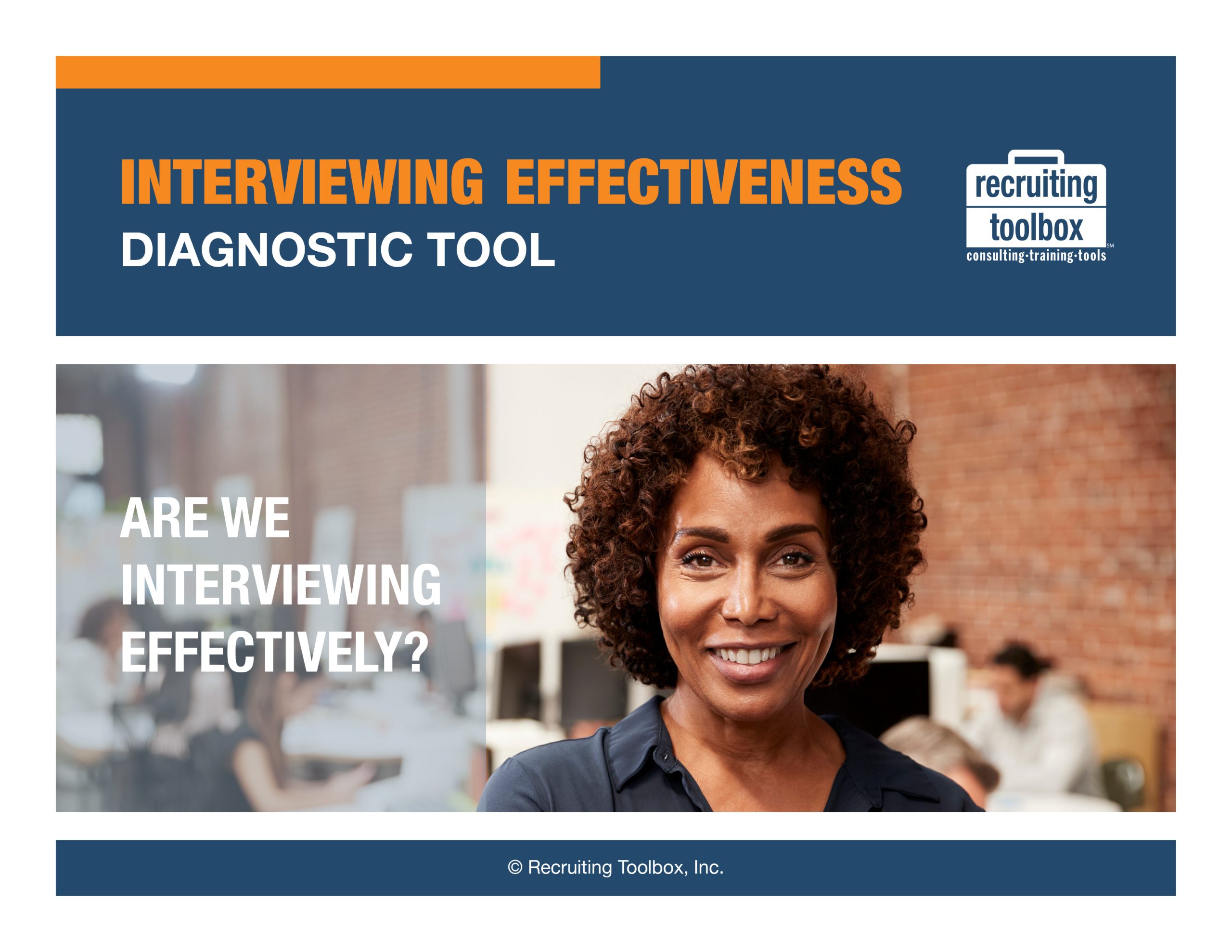
Free tools to start with.
Three diagnostics you can run on your own hiring this week, before you talk to anyone, including us.

Contact us
Tell us what is not working in your hiring. If we are not the right answer we will say so, and point you at who is.