
Order takers get orders. Advisors get a say.
Reqs accepted, not challenged
The intake is a form-filling exercise, so the search starts from someone else’s assumptions.
No seat at the table
Recruiters are told the decision instead of shaping it, then blamed for the pipeline.
Data that describes, not persuades
Reports on time to fill that nobody acts on, because they answer no question the business asked.
What the training actually works on.
Being a talent advisor is a set of behaviours, not a job title. We work on the conversations where the shift actually happens: the intake, the pushback and the update.
Step 1
Run the intake differently
Ask the questions that reframe the role, surface the real constraint, and get agreement on the bar before you source anyone.


Step 2
Influence with evidence
Bring market data and pipeline reality to a hiring manager in a way that changes the brief rather than annoying them.
Step 3
Lead the process
Own the loop, the pace and the candidate experience, and hold the business to its side of it.

What your recruiters learn.
Scenario-based practice on the conversations recruiters usually avoid.
Reframe the role
Turn a wish list into a hireable brief, in the intake, without losing the room.
Use market data
Show what the role is really worth and what the search will take.
Push back well
Disagree with a hiring manager in a way that gets you invited to the next one.
Source with intent
Skills-first searching that widens the pool instead of narrowing it.
Run the loop
Keep the process moving and the panel accountable to the bar.
Sell and close
Engage passive talent, gather acceptance criteria early, and close without overselling.
Hold the standard
Say no to a hire that will not work, with evidence rather than instinct.
Report so people act
Turn recruiting data into the two sentences an executive will actually use.
Delivered however your teams work best.
In person
Scenario-based workshop with a recruiting team, using your live requisitions.
Live virtual
Shorter sessions across a few weeks, with practice between them.
Online, self-paced
The Recruiter Academy modules, for new starters or a refresher.
Teams who changed how they hire.
Quotes from the teams who have run this programme.

Amazon.com
Feedback was great, professional, entertaining, and respectful of their intelligence and time.
Recruiting Director

Disney
Awesome content and applicability. I left with a toolkit to be a better leader.
Recruiting Manager

Starbucks
I can leave today and immediately implement these strategies and tools.
Tech Hiring Manager

Google X
Amazing. Worth every penny. Highly recommend.
Recruiting Leader
Nike
Engaging, credible expert who spoke our language. Extremely helpful to move this organization forward.
Recruiting Director
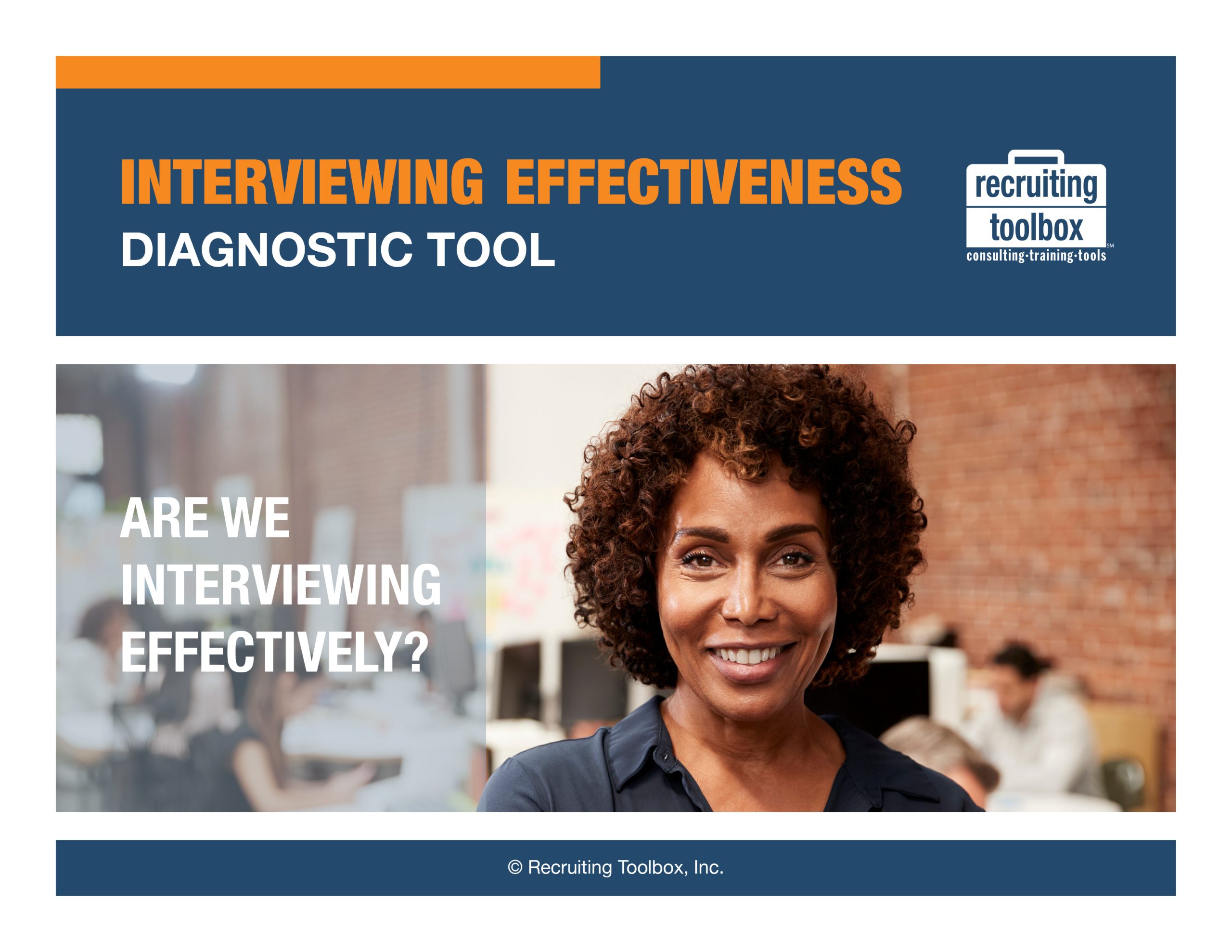
Free tools to start with.
Three diagnostics you can run on your own hiring this week, before you talk to anyone, including us.

Contact us
Tell us what is not working in your hiring. If we are not the right answer we will say so, and point you at who is.